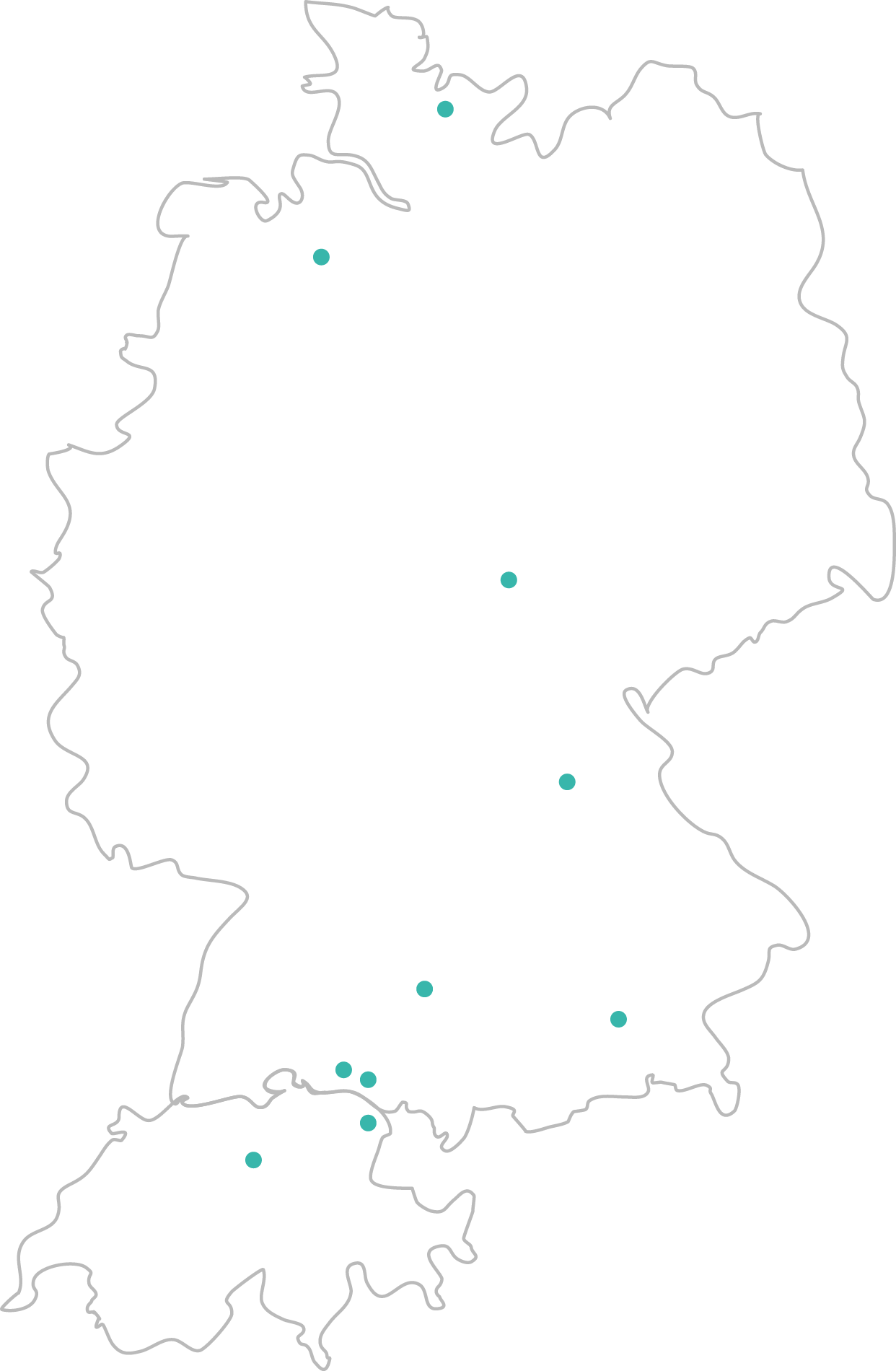
Cloud computing remains a central driver of digitalisation and, at the same time, a topic that forces companies across the DACH region to make far-reaching strategic decisions. While some organisations are gaining unprecedented flexibility with multi-cloud, hybrid cloud, and industry cloud platforms, others are partially retreating from the cloud due to unmet expectations. This article highlights why opinions are divided, how we as a development partner based in Meersburg solve industrial challenges, and which cloud strategies are truly proving their worth in 2024/2025.
Why Cloud Computing Remains Indispensable for Businesses
Mid-sized enterprises and specialised industrial companies in Germany and Switzerland are increasingly relying on cloud technologies to replace outdated, decentralised tools. The primary goal is to scale IT systems flexibly and on-demand, make costs more predictable, and drastically reduce maintenance efforts. By leveraging modern cloud environments, development and operational processes can be significantly accelerated, ultimately allowing digital services to be rolled out much faster.
Despite these obvious advantages, both technological requirements and the cloud market itself are constantly evolving. To remain competitive, successful companies focus on the following technological levers:
- Scalable Infrastructures: Utilising Azure Kubernetes clusters for highly available applications.
- Automation: Accelerating time-to-order through automated CI/CD pipelines.
- Security: Seamlessly integrating modern compliance and security mechanisms directly into the cloud architecture.
Multi-Cloud: Minimising Risk and Maximising Flexibility
Multi-cloud architectures, the targeted use of multiple cloud providers, have developed into one of the strongest trends for future-proof IT infrastructures. This modular approach allows companies to tailor the best services from various providers (best-of-breed) exactly to their specific use cases. At the same time, it opens up more strategic options for optimising costs and performance. According to Gartner, around 70% of companies will be using Industry Cloud Platforms (ICPs) by 2027, which bundle industry-specific functionalities for manufacturing, automotive, or medical technology.
The main strategic advantages of a multi-cloud environment include:
- Avoiding Vendor Lock-in: Reduced dependency on any single provider.
- Increased Resilience: Distributing workloads across redundant, independent systems to ensure high availability.
Why Some Companies Are Turning Their Backs on the Cloud
Despite the enormous potential, some organisations decide against cloud-first strategies or backtrack after initial attempts. In our system analyses, we frequently find that the root causes rarely lie in the cloud technology itself. Instead, projects fail due to unexpectedly high or poorly calculated upfront costs, as well as complex multi-cloud management that overwhelms internal IT departments. Furthermore, strict regulatory requirements in safety-critical industries and the increased effort required for cloud security and governance structures pose significant challenges.
Common Mistakes in Cloud Projects:
Often, it is strategic and organisational hurdles that hinder success. Companies that avoid these mistakes through professional project management demonstrably benefit much more from their investments in the long term. Classic stumbling blocks include:
- Unclear objectives and the lack of a roadmap for the cloud transformation.
- A lack of architecture standards and inconsistent data models.
- Insufficient systems engineering during project planning and poor integration of existing on-premises systems.
Hybrid Cloud: The Pragmatic Compromise
In response to highly complex business requirements, the hybrid cloud is gaining massive traction. It intelligently combines local data centres (on-premises infrastructures) with exclusive private clouds and scalable public cloud services. Particularly for safety-critical applications, complex legacy environments, and industrial plants in the mechanical engineering sector, this approach proves to be the most sustainable operating model. It enables the sensible continued operation of existing systems—for example, through machine-to-machine communication via OPC-UA—without having to forego modern cloud features.
The hybrid cloud offers companies decisive added value:
- Data Sovereignty: Better control over critical and sensitive corporate data to ensure compliance with strict regulatory mandates.
- Elasticity: Flexible scalability through the on-demand addition of public cloud resources during peak loads.
Future Outlook: The Cloud is Becoming More Diverse – Not Less Important
Whether multi-cloud, industry cloud, or hybrid cloud, companies today have more freedom of choice than ever before. Our experience from numerous digitalisation projects clearly shows that cloud computing remains a central component of modern IT and development landscapes. New cloud models are increasingly adapting to specific industry requirements. The combination of flexibility, scalability, and security makes bespoke cloud solutions indispensable. Companies that align their cloud strategy with clear objectives, methodical systems engineering, and excellent cloud management will achieve the greatest long-term success in the market.
Looking to Develop Your Cloud Strategy or Optimise Existing Solutions?
Get in touch with us, we provide tailored consultancy for your specific cloud project. As your trusted development partner headquartered in Meersburg, we support clients throughout Germany, Switzerland, and neighbouring EU countries.
Whether you require an initial consultation, an in-depth architecture review, or full-scale implementation as a general contractor: We help you select and successfully establish the ideal cloud solution for your business.