Innovations for a Future-Proof Maritime Industry
The sea trade and shipping industry in Northern Germany is one of the most important industrial value creation areas in Germany. With an annual value creation of around 30 billion euros, it significantly shapes the economic development of the coastal regions. Large seaports, specialised shipyards, and internationally successful supply companies form a complex industrial ecosystem.1
At the same time, the sector is under immense pressure to innovate. Topics such as digitalisation, automation, and climate protection are driving technological change. Today, modern ships consist of highly complex system landscapes comprising navigation, energy, automation, and safety systems.2
Consequently, high-performance software development for ship technology is increasingly becoming the focus of competitiveness. Companies like Konzept Informationssysteme make an important contribution to this by providing secure and reliable software solutions for maritime applications.
The Importance of the Maritime Economy

Ralf Vogel
„High-performance Northern German maritime suppliers support the entire value chain with specialised products and high innovative strength. As a software and systems partner, Konzept Informationssysteme GmbH has stood for fail-safe, highly critical software projects for over 30 years. These solutions are used in shipping and the maritime industry. In this way, we make a significant contribution to the competitiveness and future viability of Northern Germany as a business location.“
Ralf Vogel, Location Manager Kiel & Head of Sales
The Maritime Economy in Northern Germany
Northern Germany is traditionally a centre for the European shipbuilding and offshore industry. Alongside shipyards and shipping companies, highly specialised shipbuilding suppliers play a central role. Many of these companies operate internationally and significantly drive innovations in shipbuilding. 3
However, the maritime sector faces major challenges. The digitalisation of the maritime economy, in particular, is considered a decisive factor for future competitiveness. Digital technologies enable more efficient operations in ports, optimised logistics processes, and new data-driven applications in research and industry.4
Current developments clearly show:
- Digitalisation increases efficiency in port operations and logistics.
- Data-driven systems optimise ship operations and energy consumption.
- Cybersecurity is becoming increasingly important for connected ship systems.
- Offshore wind energy drives technological innovations in the north.
„Digitalisation is increasingly finding its way into large parts of the maritime sector. The driving forces include the opportunities to create efficiencies: not only regarding work processes, for example in port operations, but also to achieve efficiency in ship propulsion and thus emission reductions. Furthermore, new digital solutions serve to gain and validate scientific findings in the field of marine and climate research. Cybersecurity on ships is also a highly topical issue.“
Peter Moller, Projektleiter Maritime Cluster Northern Germany. 5
Nevertheless, there is still a need to catch up with digitalisation in parts of the industry. Traditional structures and conservative processes can slow down the speed of innovation. To remain competitive in the long term, targeted investments in digital technologies and software expertise are required.
Ship Technology as a Complex System
Modern ships are now highly integrated technical overall systems. Different subsystems must communicate reliably with each other, work together safely, and be operated stably throughout their entire service life. In addition to mechanical construction, software integration is therefore playing an increasingly important role.6
Typical system areas on board include:
- Navigation systems for safe route guidance
- Propulsion and energy management systems
- Automation and control systems
- Safety and monitoring systems
- Communication systems between the ship and land stations
The integration of these systems places high demands on systems engineering in shipbuilding. System integrators and project managers must ensure that interfaces are clearly defined, various software and hardware platforms work together seamlessly, and the functional safety of the entire system architecture is guaranteed.
In addition, there are typical challenges associated with large integration projects: parallel development processes, various suppliers, and changes during the construction and integration phases. To reduce integration risks, structured development processes, consistent documentation, and comprehensive interface management are crucial. This is the only way to operate complex maritime systems reliably in the long term.
Software Solutions for Complex Marine Systems
We support maritime projects through comprehensive software and engineering expertise. The focus is particularly on safety-critical applications and complex system architectures.
The central areas of competence include:
- Systems engineering for complex maritime systems
- Development of safety-critical software
- Functional safety in ship technology
- Integration of distributed control and automation systems
- Quality assurance and testing strategies for maritime software
- Communication solutions for ships, submarines, and land stations (satellite-supported, tap-proof)
These competencies are crucial for operating modern ships reliably and safely while simultaneously implementing innovations in maritime digitalisation.
Regional Competence for Maritime Software Projects
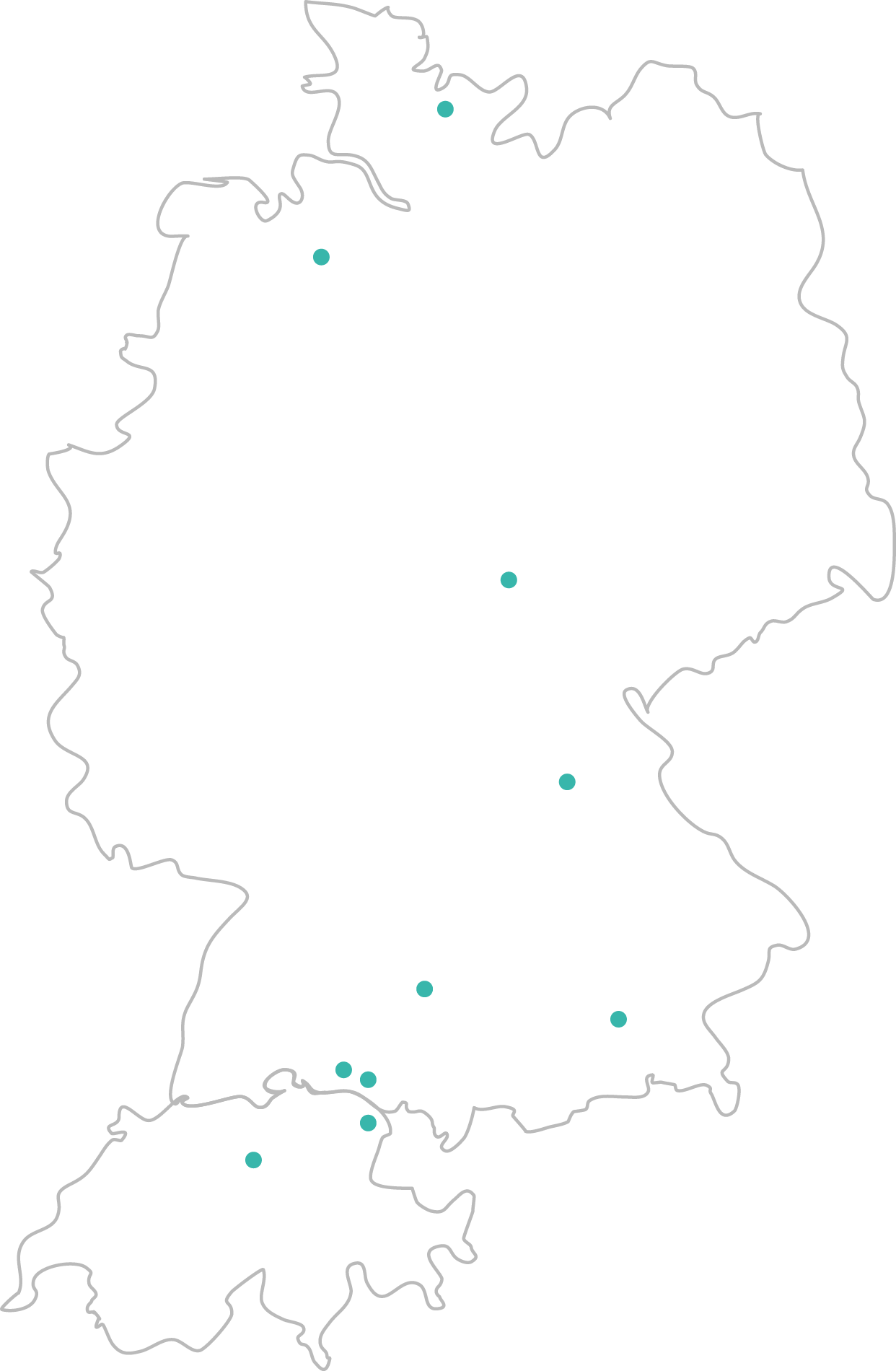
Konzept Informationssysteme has over 30 years of experience in the development of safety-critical software. With the location in Kiel, a regional presence in Northern Germany was deliberately established to provide even closer local support to maritime clients and partners.
The company supports shipyards, system integrators, and maritime suppliers in implementing complex software and integration projects in areas such as ship technology, defence technology, and energy technology.
Conclusion
The competitiveness of the maritime economy in Northern Germany increasingly depends on technological innovative strength. Digitalisation, secure software architectures, and structured systems engineering methods are becoming central success factors for modern ship technology.
Companies like Konzept Informationssysteme make an important contribution here: By developing reliable software solutions and providing profound engineering expertise, they support shipyards and system integrators in safely realising complex maritime systems and actively shaping the future of the industry.